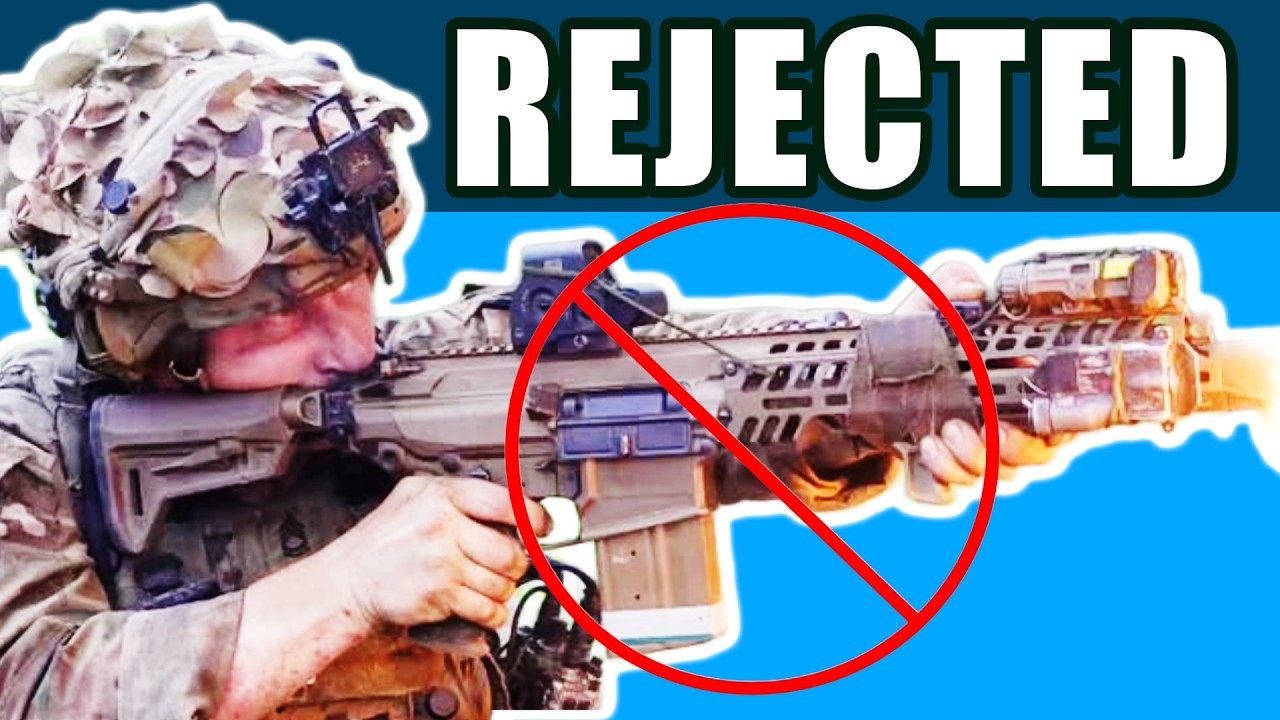
While Big Army continues to push the large heavier XM7, others in the US mil, such as USMC, USSOCOM, etc are not interested. USSOCOM is perusing another approach, which is to really focus on ringing out the best performance from the caliber and platforms we have, which is 5.56 and M4:
Special Operations Command may have just revealed the future of infantry weapons. Instead of adopting the U.S. Army’s new 6.8mm XM7 rifle from the Next Generation Squad Weapon (NGSW) program, USSOCOM is pursuing an entirely different path with HICAR (Hypervelocity Improved Capability Assault Rifle). The goal? Deliver the range, armor penetration, and lethality of a larger caliber while keeping the lightweight handling, magazine capacity, and logistics of the proven 5.56 NATO platform.
In this video, we break down the HICAR program, the experimental M855A1+ hypervelocity ammunition, cutting-edge barrel technology, advanced firearms metallurgy, and why SOCOM believes it can dramatically increase the performance of the M4 carbine without switching calibers. We’ll also compare HICAR to the XM7, examine why special operations units have different requirements than conventional Army infantry, and explore what this means for future wars against near-peer adversaries like China.
Using open-source intelligence (OSINT), official solicitation documents, and defense industry sources, we’ll explain the engineering behind hypervelocity ammunition, 82,000 PSI chamber pressures, new super steels, barrel innovations, logistics, recoil, effective range, and whether HICAR could eventually outperform the Army’s 6.8mm solution.
Civilian market is already there with Federal + Peak case technology running 80K PSI in the 7mm Backcountry and now the 6.5mm Creedmoor getting the first crossover application to existing cartridges on the market.
Performance in the field lives up to the hype with the 7mm Backcountry.
The steel alloy case is grippier than brass and mitigates increased bolt thrust.
We’re about to see dramatically higher performance potential in a bunch of cartridges once this technology is introduced to more cartridges. The limiting factor will be what the liability lawyers at Federal allow for older legacy cartridges vs the actions floating around out there that can’t be trusted like old break open rifles like New England Handi-Rifles etc that struggle with brass cases and thrust.
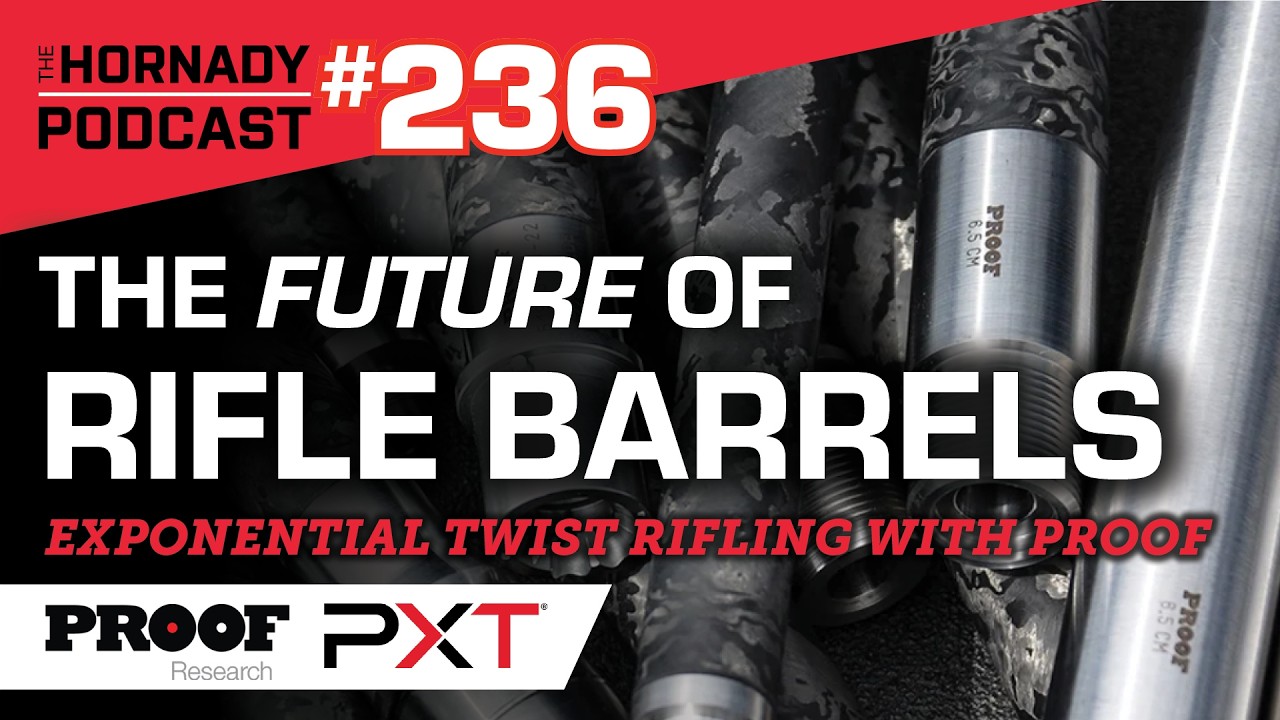
At the same time Proof Research has introduced exponential gain twist barrels that dramatically increase barrel life using a rifling method used in medium caliber auto cannons now applied to small bore.
So we have high performance ammo on the way, and barrels that can last long enough to be useful shooting it.
I would rather spend tax $$$ on PXT barrels if they can be produced via EDM, and steel alloy cases running 80K PSI to hit performance vs the stupid ass SIG 6.8 Fuckstick abomination.
With part of the goal apparently to be able to run standard 5.56…considering the massive pressure increase…I wonder what the plan is for gas/buffer management. It seems likely this defaults to a piston with gas adjustments.
This is like 80’s era technology for cannons, seriosly.
When we had done everything we could (Or thought we could) with the M68 Cannon we started putting rings on the projectiles that would absorb rather than inpart spin.
In fact we could have adjusted both the rifleling and ammo and accomplished everything we needed in a 120 mm Canon.
Proof got contracted to develop small bore stuff for the .mil sniper program because students were burning out .300 Norma Magnum barrels 1/2 way through sniper classes, and for the HICAR program.
They had previously done some development work on medium caliber auto cannon barrels.
Figuring out an exponential twist rate progression and rifling profile to deal with copper jacketed projectiles was a challenge according to the podcast. Medium caliber stuff and large caliber stuff uses driving bands, so projectile deformation isn’t as much of an issue.