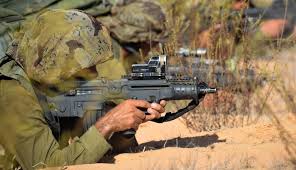
The Israeli made Mepro M21 is my favorite non-magnified optic. My only complaint is that it’s on the large side. Well, Mepro has now started producing the M22 which is smaller. My M21’s have never failed me, so I’m looking forward to trying out its replacement.
Exactly what advantage does this have over a quality RDS, given that many of them have battery lives measured in months or even years? Have they figured out some way so that the fiber optic and tritium aren’t washed out under WML use? How well does it actually work with NODs (since it claims compatibility with NVDs in the marketing literature), if it has tritium, given that tritium can quite easily be way too bright for NODs use, and there’s also no way to change the brightness? I am also suspect on how that tint would affect it under passive aiming.
Based on my experience with the M21, the answer is clarity. My eyes see red dots as blurry and disformed to a degree. I don’t have this problem at all with the M21. If you don’t experience with red dots, then there may not be an advantage for you.
Have they figured out some way so that the fiber optic and tritium aren’t washed out under WML use?
Not that I know of from the factory, but there are aftermarket attachments that you can use to manually adjust the brightness.
I am also suspect on how that tint would affect it under passive aiming.
I don’t find the tint significantly noticeable in real life scenarios.
Another thing to keep in mind is that the M21 is significantly battle proven. The M22 should be the same, just smaller.
Tint doesn’t matter, until it does. This is also an ongoing issue with the RMR. In broad daylight, it’s not really an issue, but once you introduce low-light/reduced lighting, it does matter, especially against small targets that blend in well with the background. I’ve had issues with the RMR finding small steel targets that blended into the background during the rain, in which lighting was reduced, but it was still bright enough that WMLs didn’t really work that well (unless you were using something with really high candela, I suppose), where it took me noticeably longer to line up a shot properly due to the inability to distinguish the target from the background through the lens, even with both eyes open, due to the fact that my two eyes were seeing different images that I couldn’t reconcile without a bit of extra time that I would not have needed under high light conditions. Steve Fisher has also noted this issue with the RMR, and I would assume that this would also exist with any heavily tinted optic.
Also, with NODs, the tint can be an issue due to it just being so much darker through the optic, particularly if you’re running monos. Though this isn’t inherent, since there are a few heavily tinted optics that do fine under NODs as they have decent light transmission in enough wavelengths to make up for it, it’s not the norm, though with the Mepro M21 and M22, it might be one of the exceptions, too.
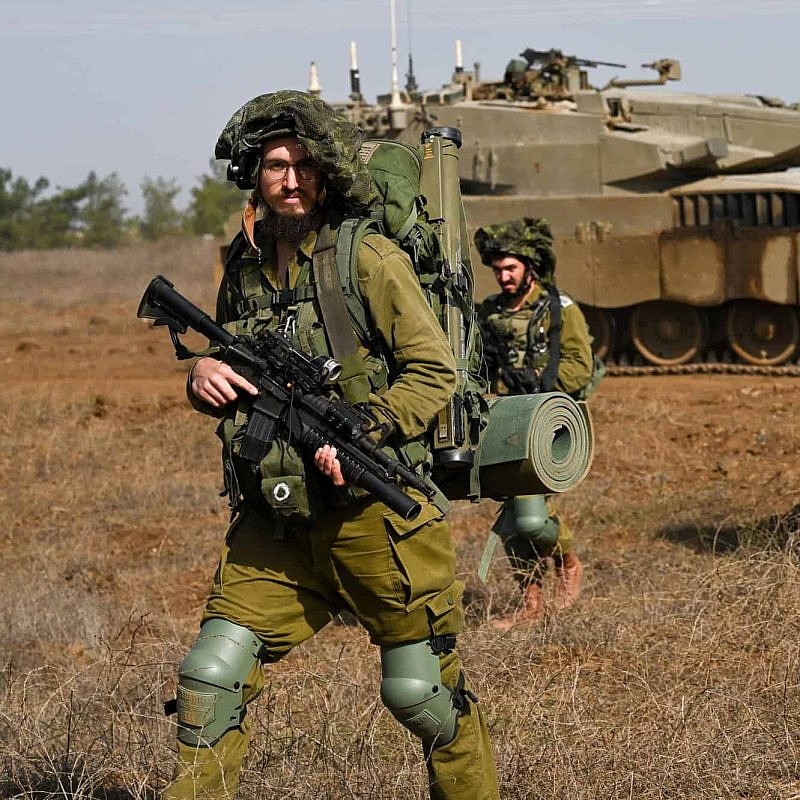
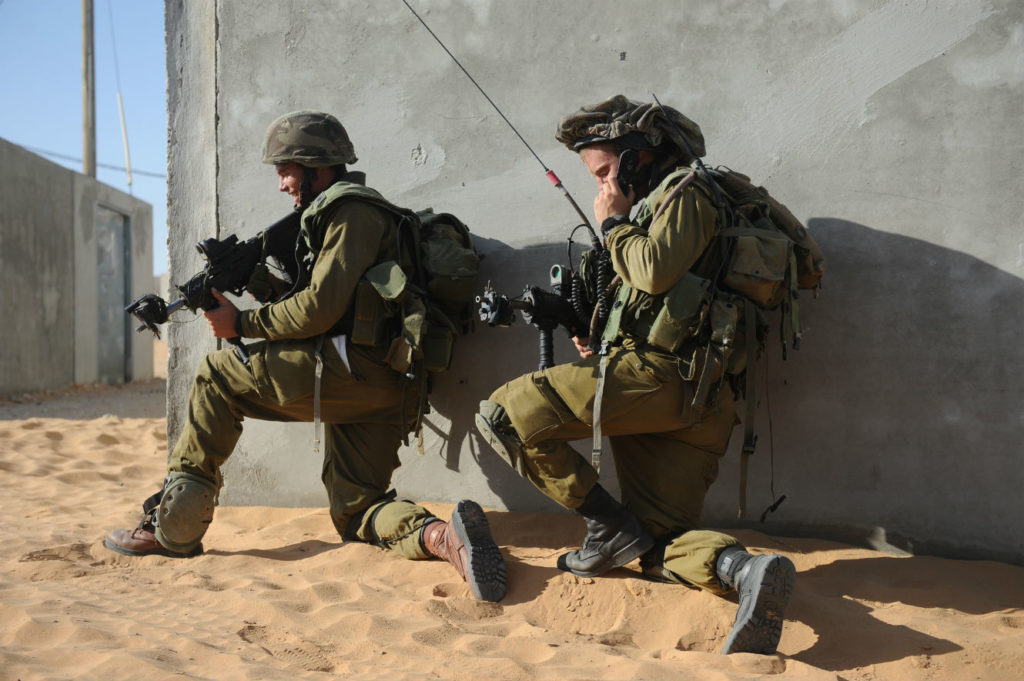
While we can debate in theory the positive and negative aspects of the M21, the IDF is using them in Gaza. They are also heavily using Mepro red dots and Trijicon ACOGS. Well worn finishes are a good indication that they work reliably.
Given what’s going on over there, I think it may be a while before we see the M22 over here.
I found an M22 for sale online and it arrived today. I’m very pleased with what I see so far. It’s smaller than the M21, it weighs significantly less than the M21, there is less tint, the red circle dot is crisp and bright, and there is only one throw lever instead of two.
for almost 10 years the M21 has been my favorite too. I have used them on multiple platforms: Colt LE6933, KRISS .45 SBR, Para FAL 7.62, SWD MAX-11 M.G., and even an MP5K-PDW S.A. …OK it was too big for that last one.
So I also bought an M22 and just put it on the 6933 https://i.imgur.com/BIreZ6a.jpg