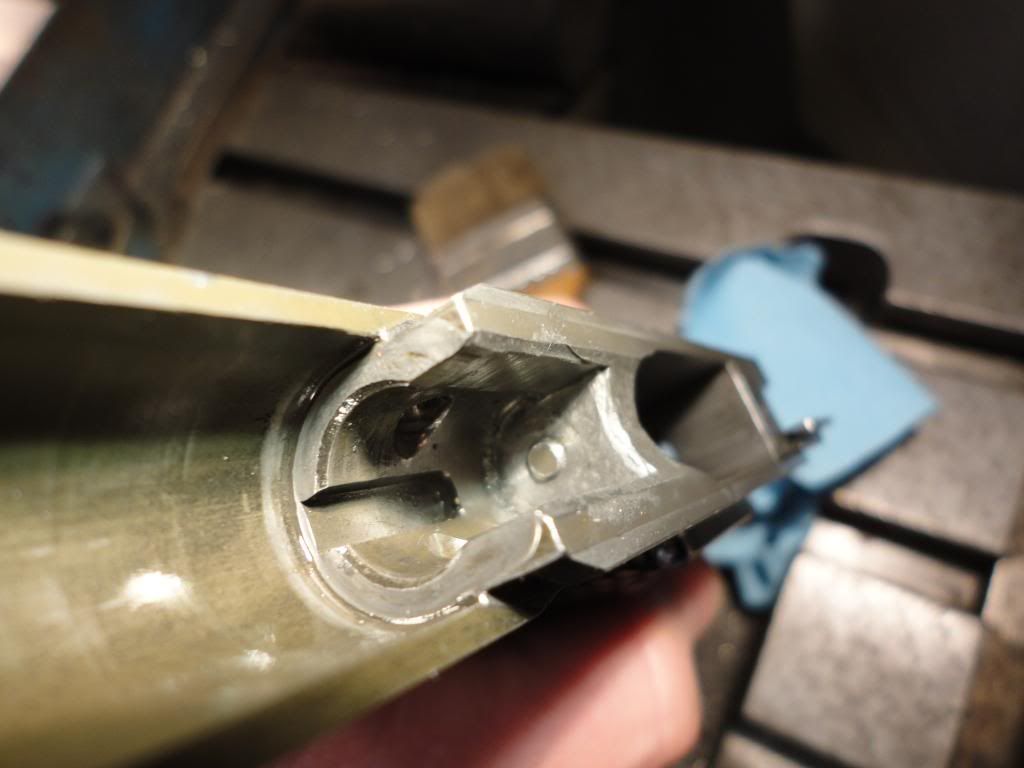
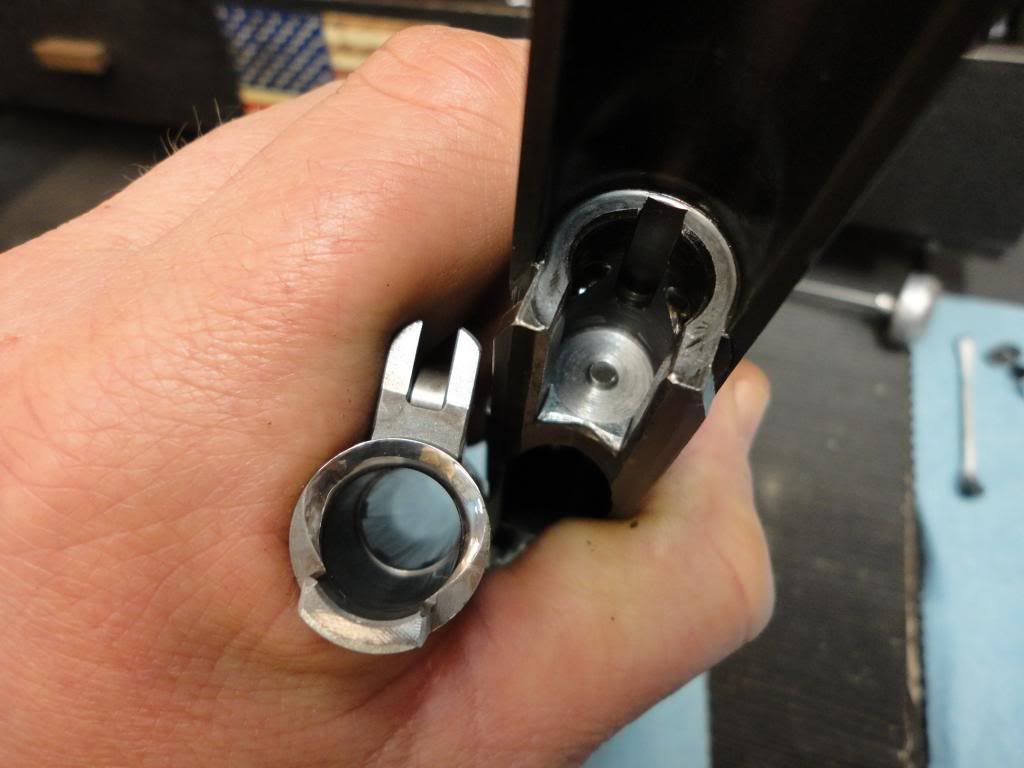
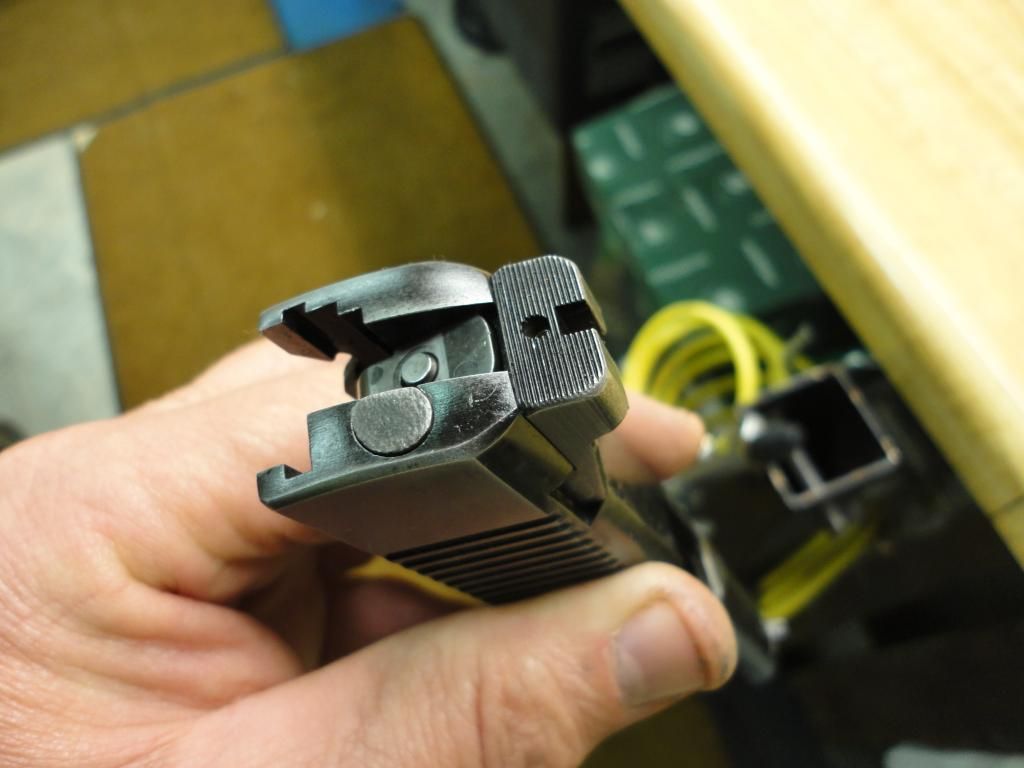
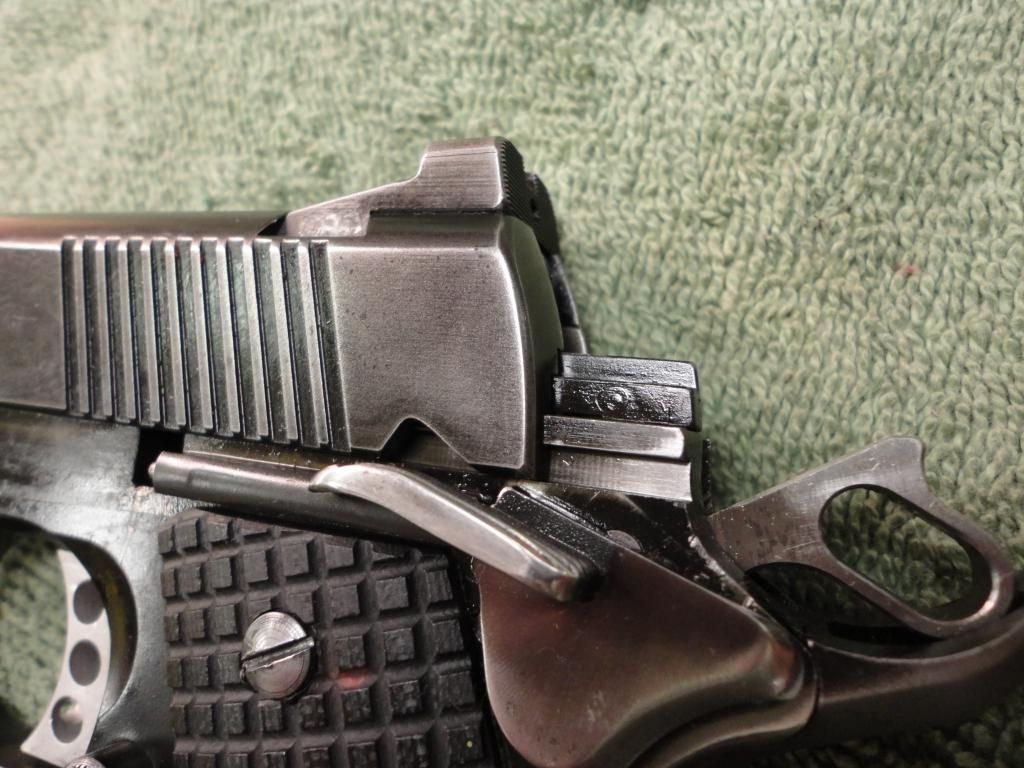
Top, the barrel that broke. I was thinking it had 38K through I but it’s 68K… its good condition inside is due to he rounds in question being lead SWC loads, no sure what his load is but it feels like my 4.7 grain of Bullseye load. No wimpy, not smokin’ hot.
Bowtie cut is the word used, yes. I’ll get some before and after pics up and the reason for the bowtie term will be evident to those that haven’t heard it.
Top, bowtie cut having been made but surface pushed back from high round count, to where the bottom of the barrel foot was once again impacting.
Bottom, bowtie cut remade and a few thou filed off the lower part of the barrel foot’s rear surface for added clearance / life.
I always thought the bowtie cut seemed marginal in terms of impact area but this is the first time I’ve seen it do this. I like the added area of just relieving the back of the barrel foot but that is removing metal in an area that is already less than beefy. Unless by EDM it’s hard to get in there and make a “D”-shaped cut in the frame.
And yes, once it was back too far, you could be stopping barrel rearward movement with the link which is not good. That’s a borderline theoretical problem and in this case I was still OK
How do you feel about the overall service life of the frame/slide at this point? Do you feel that it could go another 50k? Or is there a point that the VIS will become a problem in tolerances forcing the barrel movement to be stopped by the link?
I think the frame and slide are good for another 90K! They are in extremely good shape. Part of it is that the gun started with a good frame to slide fit, I don’t mean so much in terms of tightness but just a lot of good flat, smooth, square and parallel running surfaces-- where many tend more toward being, well, not so much all that, so bearing area is reduced, like the frame and slide are running against each other only on several high spots. Machining quality and heat treat of the frame and side are, I believe, everything they should be and then some, better than great many. I’ve certainly seen a number of Springfields that weren’t nearly this good but I believe Operators are made on a different line and at a different location than the not-as-high-end models.
Agreed. Ned, thanks very much for the explanation and the photos. I really do appreciate you and the other IP’s sharing your knowledge with us. It’s really helps us to become smarter end users.
I have to mirror what others have said also. It is greatly appreciated that you take time out of what has to be an extremely busy schedule to explain the intricacies of what and why. These are by far some of the best types of threads for sure, at least to me anyway.
I have two colts, each with over 80k rounds on the clock, a Brown with over 60k on the clock now, and am getting started on a sig 1911. All still going strong.
Update, I assisted Rob and Jeff in a class the last two days and had a chance to check on the Operator, which Rob was using for instruction.
“Now at over 98000” and he says he’s ready to stop keeping a good count. I’m going to convince him otherwise. After a certain point, actual wear slows to a crawl except for certain parts. For example yesterday I found his extractor to actually have a small conical wear spot where it contacts the forward part of the extractor groove. He’d had a failure to extract earlier in the day so I just crisped things up with a file a bit and let the extractor in a little further, no further probs.
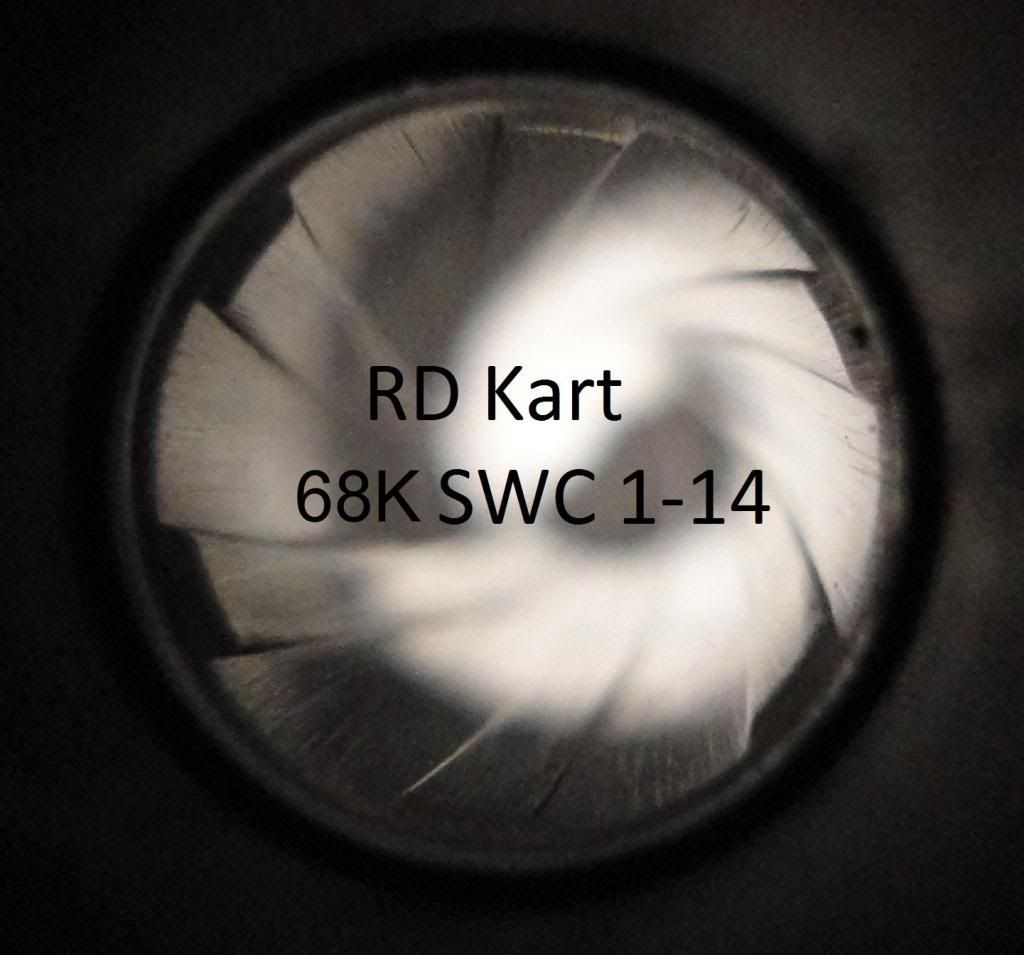
RD at 98K
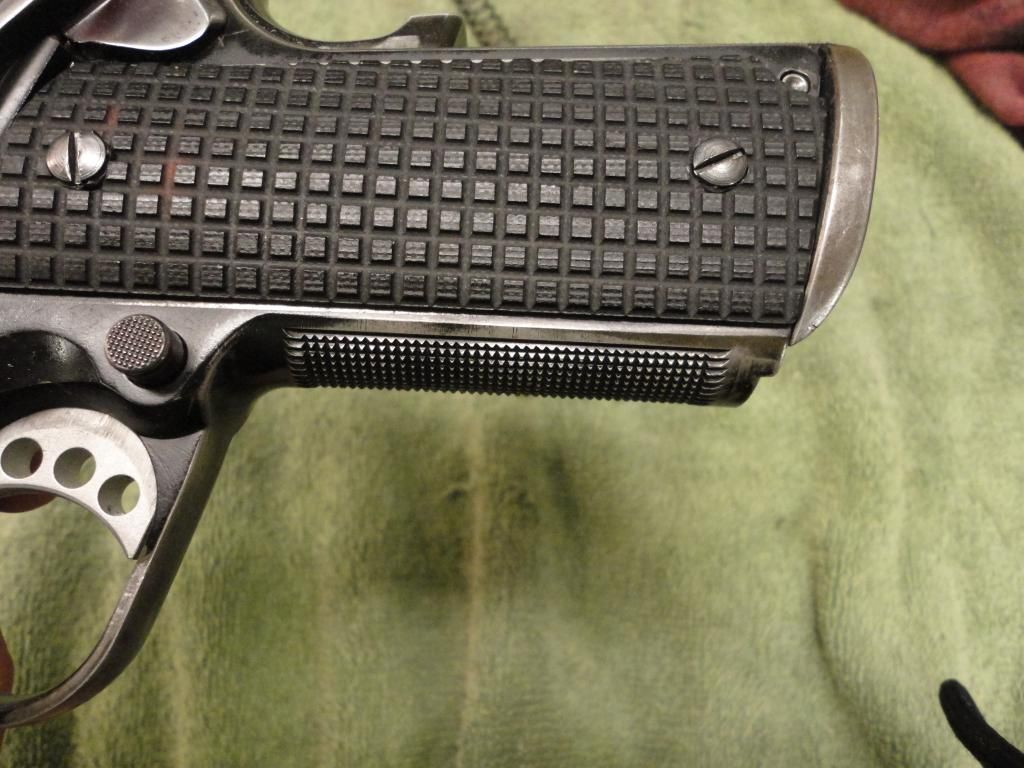
72: You can see here where the checkering is down to bare steel where his fingers rest.
77, 78: Original MIM’d firing pin stop and ejector are still in use.